
Tackling Water Inaccessibility through Mineral Water Project
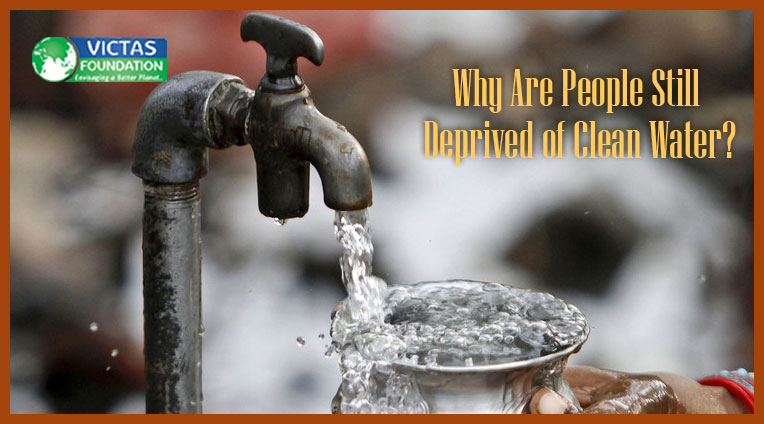
Community drinking water is the water shared among the residents of a particular locality that is fit for consumption as well as for cooking purposes. The amount of water required for drinking depends on the physical activities performed by each individual, the weather, health issues, and environmental conditions. It has been scientifically proven that upto 16 liters of water are essential for an individual who works in a hot climate. Thus the importance of water is immense in our lives and is therefore essential that all living beings have access to safe drinking water.
Water makes 60% of a man’s body weight and almost 55% of a women’s body weight. Additionally for an elder, it constitutes 45% while for a baby, water makes 80% of its body weight. In spite of water being a simple basic human right, there are many people in the rural areas who do not have access to clean, and pure drinking water. Moreover, it is even difficult for them to carry on their household tasks without proper water availability.
Factors that Contribute to the Inaccessibility of Safe Drinking water-
Increase in Population:
The world population is going to increase to 8.5 billion by 2030 and to 9.7 billion by 2050. As a result of such a massive increase. There is going to be stress on the already weak and scarce water resources.
Environmental Changes:
It is true we have no control over the changes in climate or natural phenomena. The unpredictable weather phenomenon, natural disasters, droughts, floods, and increased urbanization can adversely impact the quality of water. There can be an increased risk of water-borne diseases and extreme pollution that will consequently render the water unsafe.
Inequality and Poverty:
Social, economic, and physiological factors prove to be barriers in the way of people in the rural and slum areas to gain access to clean water. They have poor sanitation systems, inefficient resources for carrying out domestic work like cleaning, cooking, and washing. They use ponds and rivers to carry out these duties which in turn results in polluting the water bodies.
Lack of Infrastructure:
There should be more awareness and education about the importance of clean and pure drinking water. Mineral water project information is about raising the quality of water in both urban and rural areas. It will ensure that water supplies are sustainable and can thereby urge officials to improve the infrastructure.
Victas Foundation is working in unison with Government bodies to improve the living standard of people in rural areas. They are formulating scalable and practical methods to curb the water crisis in rural India.