
Community’s Role In Accessing Pure And Safe Drinking Water
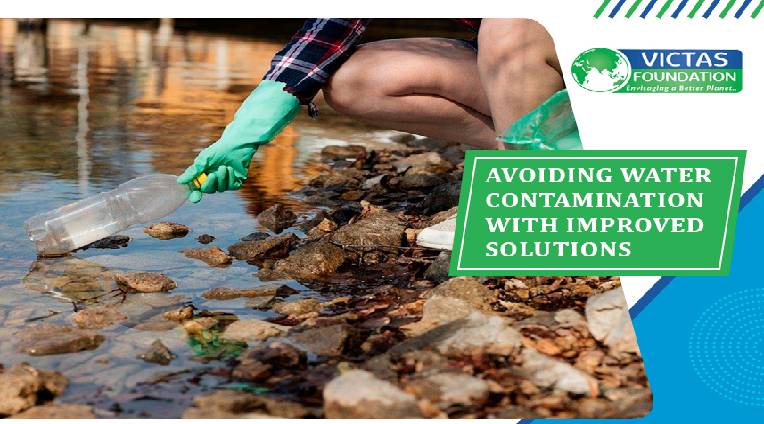
India faces many challenges regarding water and the problems seem to aggravate each day. It will take you by surprise if you come to know that nearly 163 million people do not have clean access to drinking water. Climatic changes, natural calamities coupled with disgraceful human activities are the main reasons for water pollution and inaccessibility. Mineral water project information sets new standards to reorganize and restructure the quality of water available in the villages.
Reports Of Water Contamination And Its Impact On Human Health
- Between 400 000 and 500, 000 children under 5 years of age, and infants die each year from diarrhoea. Other water-borne diseases like typhoid and hepatitis are also contributing to the loss of life.
- Also, By 2025 half of the population of the world will be living in water-stressed areas.
- Waterborne diseases are one part of the story, there are other health risks such as nausea, vomiting, abdominal cramping, severe fever, and headache.
Thus community drinking water projects aim to mitigate the challenges of water quality degradation and make clean, safe drinking water accessible to people who are still oblivious to the risks they are facing.
Here Are Few Key Pointers To Remember About Community Drinking Water
According to environmental experts and community workers, public drinking water needs protection from possible contamination. Failure to adhere to safety guidelines and water purification techniques are often the cause of increased health damage and deterioration. Several issues need consideration when planning the protection and development of water sources.
- Assessing Needs: The community should by themselves identify the current problems in the area. It should identify its own sanitation and hygiene needs. It is best to impart solutions where local people can be a part of.
- Water Source Identification: All potential water sources should undergo quality checking and possible contaminants need thorough identification. The official should keep a tab on the availability of water resources, the amount of safe water available, and the consistency of the supply.
- Health and Hygiene Education: People residing in rural areas need proper education and training on safety, hygiene, and sanitation methods. Through effective learning, they will understand its importance, and thus this will ensure behavioural changes.
Victas Foundation promises safety, accessibility, and also, availability of safe drinking water in rural and semi-urban areas. Their development projects like community drinking water focus on helping the underprivileged and economically weaker section of the society. Their flagship initiative ‘Dew Drop’ will give access to safe, and safe drinking water, free from all contamination. They are employing traditional sources like bore wells, tube-wells to reach fresher quality groundwater. They also store rainwater for future use, especially for harvesting.