
Water Treatment: Ways To Avail Clean & Safe Drinking Water
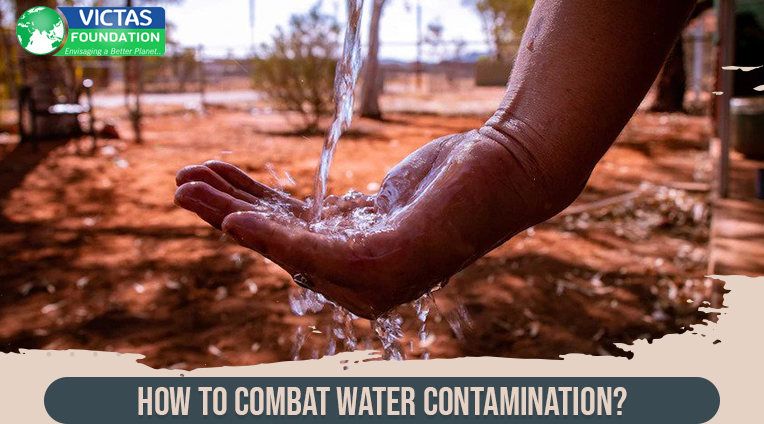
Water resources face a series of threats ranging from pollution, deforestation, urban growth, and also, changes in the landscape. The contamination and the adversity caused by water-borne diseases are on the rise. Chemicals released from industrial waste generated by big factories can pose a maximum risk to health. Both adults and kids in rural areas are under the constant threat of contaminated water consumption. Humans have been a catalyst in the continuous depletion of water and also, now they are facing the brunt of their mistakes. Mineral water project information and community drinking water project gives you an insight into how to mitigate the water crisis in India.
Efficient Techniques of Treating Contaminated Water
Membrane Processes:
It is a common filtration process that filters out contaminants and also, harmful particles from water with the help of a membrane barrier. This method includes four different types of layers namely:
- Microfiltration
- Clarification
- Nanofiltration
- Reverse Osmosis
Fixed-Film Biological Treatment Process:
Biological wastewater treatment systems help in the decomposition of the naturally occurring microbes by using wood, rock, plastic, or any other synthetic solid material as mediums. Thus, this process is beneficial in removing harmful contaminants from industrial wastewater.
Nutrient Control:
The biological nutrient removal process in combination with anaerobic digestion. In this process nutrients like phosphorus and also, nitrogen get removed from the wastewater. With the advancement in technology, the biological nutrient removal process has been a witness to many key changes over a span of 20 years.
The Process of Disinfection:
Water disinfection clearly refers to the removal, deactivation, or killing of pathogenic microorganisms. There are many processes of disinfection which include chlorination, ozone, ultraviolet light, and also, chloramines. Additionally, this photocatalytic disinfection is also becoming increasingly popular in the deactivation or killing of microorganisms.
High Rate Solid Separation:
The removal of organic substances from water is done through this solid separation process. Suspended substances, rather impurities, get separated from the water thereby making it useful for drinking and commencing daily tasks. But the main advantage of this system is it helps in removing the odor from water.
Final Words:
Local authorities play an important role in community drinking water projects by making residents aware of its benefits. So, taking an active interest in understanding the source of water, quality, & also, contamination factors will prove beneficial in tackling the problems in an efficient way.
Victas Foundation has come up with a community drinking water project for everyone. They want the people of rural India to gain access to safe, clean, and also, pure drinking water. Therefore, help us spread awareness about the rising threat of consuming contaminated water.