Tag Archives: rural and community development course

Building A Sustainable Community For Everyone In The Society
rural and community development course

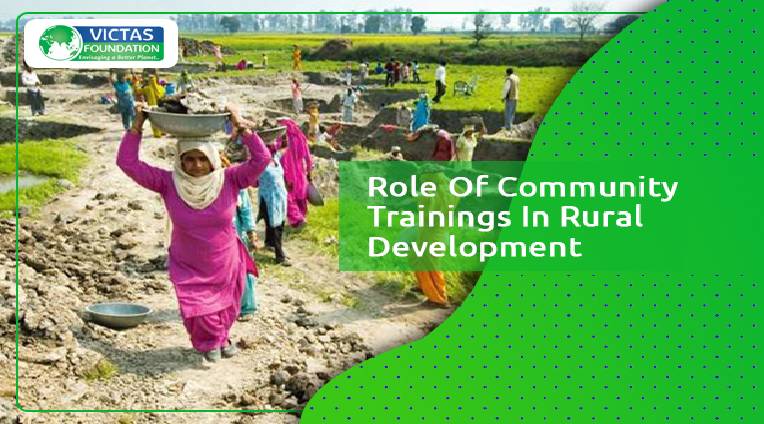
Rural and community development course aim at the comprehensive growth of the people residing in a particular area or locality. Its key purpose is to address the rising concerns that include social and economic disparity. Injustice, inaccessibility of basic human rights, and other difficulties. 

Continue reading

Encouraging People To Join Community Development Courses

community development short courses

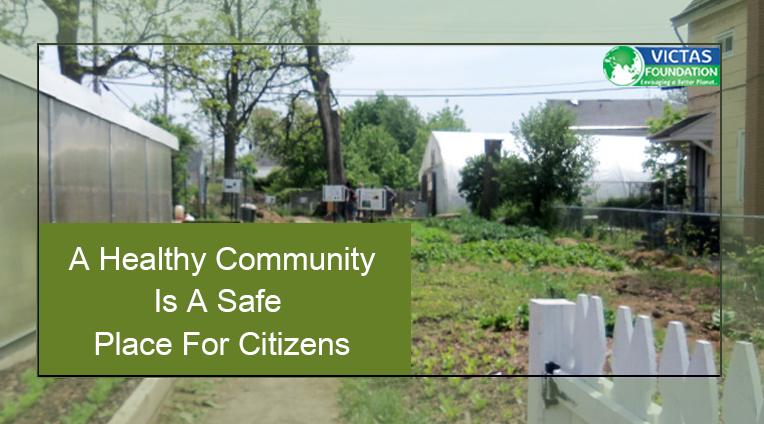
Community development is a means to come together to take collective action towards the betterment of the community as a whole. The people of a particular place also take responsibility to find effective solutions to the present problems such that there is a better tomorrow. The goal is to make the entire community stronger. Rural and community development short courses are an initiative to improve the living conditions in the rural areas through education. 

Continue reading

How Is Community Development Training Positively Transforming Lives?

rural and community development course

Community development training is an effective approach that essentially focuses on comprehensive growth among the citizens and building  strong community networks. The program equips the participants  with skills related to community organization, leadership, management of corporate and social responsibilities, planning and designing efficient strategies to handle current issues. 

Continue reading

Rural Development in India: Important Attributes and Objectives

community development training

Rural development covers a wide range of subjects from science, social work, health, agriculture, technology, human resource, finance, and many more. It is important not only for the growth of the rural community but also for the comprehensive growth of the nation as a whole. community development training help learners get a clear understanding of the conditions of people living in the not so privileged areas. These learners usually include social workers, public authorities, voluntary individuals, and NGOs. 

Continue reading